Table of Contents
ToggleThe Influence of Smart Home Technology on Modern Real Estate Buying Decisions
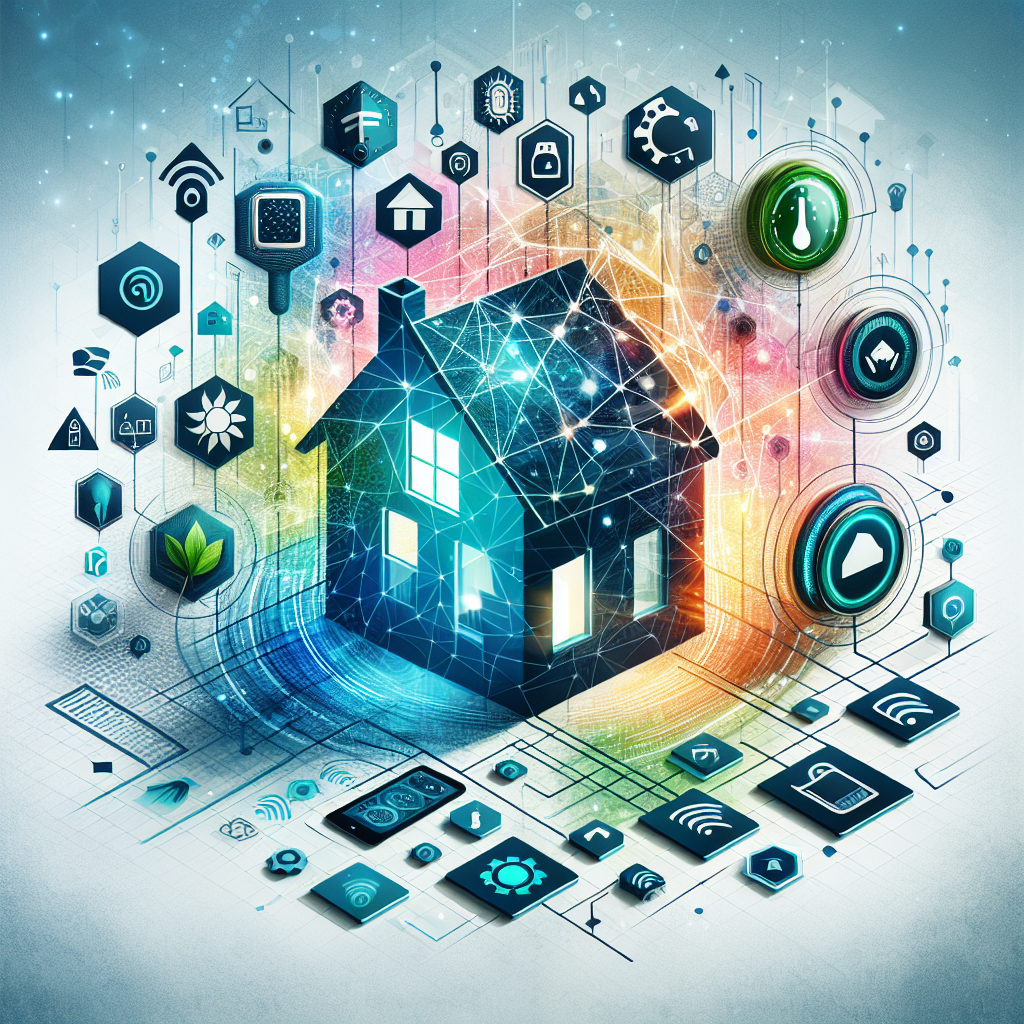
The world of real estate is constantly evolving, with technology playing a central role in transforming how properties are bought, sold, and lived in. One of the most profound shifts in recent years has been the rise of smart home technology and its significant impact on real estate buying decisions. Modern homeowners increasingly prioritize properties equipped with the latest tech advancements, creating new trends and expectations within the market. This article explores how smart home technology is reshaping buyer preferences, driving real estate sales, and offering immense value to modern homeowners.
Enhanced Convenience and Control
One of the most appealing aspects of smart home technology is the enhanced convenience it offers. Home automation systems allow homeowners to control various aspects of their property—from lighting and climate to security and entertainment—remotely through their smartphones or voice-activated assistants like Amazon Alexa and Google Home.
For instance, smart thermostats such as Nest or Ecobee automatically adjust heating and cooling based on the homeowner’s schedule and preferences, ensuring optimal comfort while conserving energy. Similarly, smart lighting systems can be programmed to turn on and off at specific times or respond to voice commands, making daily routines more efficient and personalized.
Buyers value these features as they simplify home management and provide a higher level of control over their living environment. The ability to monitor and manage home functions remotely also offers peace of mind, especially for frequent travelers or those with busy lifestyles, making smart homes an attractive option in the real estate market.
Improved Energy Efficiency
As awareness of environmental issues continues to grow, sustainability has become a significant factor in real estate decisions. Smart home technology contributes to this trend by enhancing energy efficiency and reducing utility costs. According to the U.S. Department of Energy, homes equipped with smart thermostats can save an estimated 10-15% on heating and cooling, offering long-term savings that appeal to eco-conscious buyers.
Smart appliances, such as energy-efficient refrigerators, washing machines, and dishwashers, use advanced sensors and algorithms to optimize their operation, further reducing energy consumption. Additionally, systems like smart irrigation help conserve water by adjusting the watering schedule based on weather conditions and soil moisture levels.
By showcasing these eco-friendly features, realtors can attract buyers who prioritize sustainability and are willing to invest in properties that align with their values. Highlighting potential savings on utility bills is another powerful selling point that can sway buying decisions in favor of smart homes.
Enhanced Security and Safety
Safety and security remain paramount concerns for homeowners, and smart home technology offers advanced solutions to address these needs. Smart security systems, including video doorbells, surveillance cameras, and smart locks, provide real-time monitoring and alerts, allowing homeowners to keep an eye on their property from anywhere in the world.
For example, systems like Ring or Nest Hello not only record video footage but also notify homeowners of any unusual activity through their smartphones. This level of interactivity and control reinforces a sense of security, making smart homes highly desirable.
Smart sensors that detect smoke, carbon monoxide, and water leaks add another layer of safety, automatically alerting homeowners and emergency services in case of a threat. Families with young children or elderly residents particularly value these features for the added protection they offer.
Increased Property Value and Marketability
The integration of smart home technology is not just a preference for many buyers; it’s an expectation. Properties equipped with smart home features tend to have higher marketability and can command higher prices. According to a study by Coldwell Banker, homes with smart technology sell faster and for more money compared to non-smart homes.
Realtors can leverage this trend by highlighting the smart features in their listings and during showings. Demonstrating the functionality and benefits of smart home systems can create a memorable impression, setting the property apart in a competitive market.
Additionally, sellers can justify higher asking prices by emphasizing the long-term value and cost savings associated with smart home technology. Buyers are increasingly willing to pay a premium for the convenience, efficiency, and security that these features provide.
Future-Proofing Homes
As technology continues to evolve, homeowners are keen on future-proofing their investments. Smart home technology is at the forefront of this trend, offering systems that can be easily updated or expanded to incorporate new advancements. This adaptability is appealing to buyers who want to ensure their homes remain current and relevant in the face of rapid technological changes.
Realtors should educate potential buyers about the long-term benefits of smart home systems, emphasizing their ability to integrate new devices and improvements seamlessly. This foresight can reassure buyers that their investment will remain valuable and up-to-date, even as technology continues to advance.
Conclusion
Smart home technology has undeniably influenced modern real estate buying decisions, transforming how properties are marketed and valued. Enhanced convenience, improved energy efficiency, advanced security features, increased property value, and future-proofing capabilities make smart homes increasingly attractive to modern homeowners. Real estate professionals who embrace and effectively communicate the benefits of smart home technology can better meet the evolving needs and preferences of today’s buyers, ensuring success in a competitive market.