Table of Contents
ToggleIncorporating Eco-Friendly Practices in Real Estate to Attract Modern Buyers
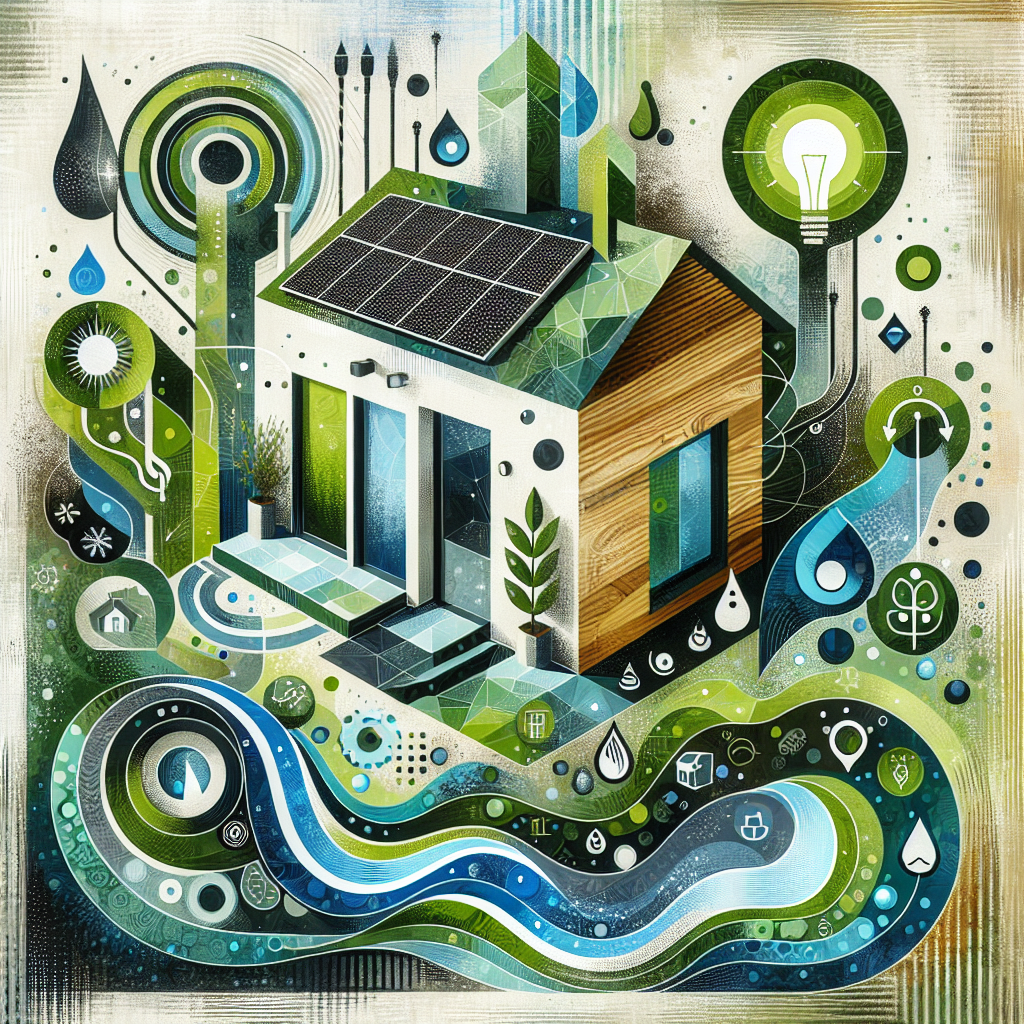
In an era marked by growing environmental awareness, sustainability has become a critical consideration for consumers across all sectors, including real estate. Today’s homebuyers, particularly millennials and Gen Z, are increasingly prioritizing eco-friendly features when searching for their ideal home. Incorporating sustainable practices into real estate not only enhances property value but also appeals to the modern, eco-conscious buyer. Here, we explore how integrating eco-friendly practices can attract these buyers and set your properties apart in a competitive market.
Understanding the Modern Eco-Conscious Buyer
Modern buyers are more informed and environmentally aware than ever before. They are looking for homes that align with their values and contribute to a sustainable lifestyle. Key characteristics of eco-conscious buyers include:
- Preference for Sustainable Materials: They seek homes built with eco-friendly, non-toxic, and renewable materials.
- Energy Efficiency: Reducing energy consumption is a priority, making features like solar panels and energy-efficient appliances highly desirable.
- Water Conservation: Efficient water use through low-flow fixtures and smart irrigation systems is significant.
- Smart Home Technology: Integration of smart systems that enhance energy efficiency and convenience.
Eco-Friendly Practices to Implement
To attract modern buyers, here are several eco-friendly practices to incorporate into your real estate properties:
1. Use Sustainable Building Materials
Using sustainable materials is a foundational aspect of green building. Consider incorporating the following materials into your construction and renovation projects:
- Bamboo: A rapidly renewable resource, bamboo is an excellent alternative to traditional hardwood due to its strength and aesthetic appeal.
- Reclaimed Wood: Using reclaimed wood not only conserves natural resources but also adds character and history to the home.
- Recycled Metal and Glass: Incorporating recycled materials reduces the demand for new raw materials and decreases the energy needed for production.
2. Enhance Energy Efficiency
Energy efficiency is a crucial factor for eco-conscious buyers. It not only reduces the carbon footprint but also lowers monthly utility bills. Here are some energy-efficient upgrades:
- Solar Panels: Installing solar panels can significantly reduce energy costs and reliance on non-renewable energy sources.
- Energy-Star Appliances: Equip homes with Energy-Star rated appliances, which are designed to use less energy and water.
- Insulation and Windows: Improve insulation and install double or triple-pane windows to maintain a comfortable indoor temperature and reduce heating and cooling needs.
3. Implement Water Conservation Solutions
Water conservation is another critical aspect of sustainable living. Here are some effective water-saving practices:
- Low-Flow Fixtures: Install low-flow toilets, showerheads, and faucets to reduce water usage without sacrificing performance.
- Smart Irrigation Systems: Use smart irrigation controllers that adjust watering schedules based on weather conditions and soil moisture levels. This ensures efficient water use and maintains a healthy landscape.
- Rainwater Harvesting: Implement rainwater harvesting systems to collect and reuse rainwater for landscaping and gardening needs.
4. Integrate Smart Home Technology
Smart home technology enhances convenience, security, and energy efficiency. Modern buyers appreciate homes equipped with the latest smart systems:
- Smart Thermostats: Devices like Nest or Ecobee thermostats learn the homeowner’s schedule and adjust heating and cooling settings accordingly, optimizing energy use.
- Smart Lighting: Install smart lighting systems that can be controlled remotely and programmed for energy-saving modes.
- Home Automation: Use integrated systems that allow homeowners to control various aspects of their home, from security cameras to appliances, through a central hub or smartphone.
Marketing Eco-Friendly Features
Highlighting the eco-friendly features of your properties in marketing materials is crucial for attracting modern buyers. Here are some effective strategies:
High-Quality Visuals and Descriptions
Use professional photos and videos to showcase sustainable features. Create detailed descriptions that explain the benefits of each eco-friendly upgrade, emphasizing cost savings and environmental impact.
Leverage Digital Platforms
Promote your green properties on social media platforms and real estate websites. Share engaging content, such as virtual tours and videos, that highlight sustainable practices. Use targeted ads to reach eco-conscious buyers who are likely interested in green living.
Certifications and Listings
Obtain green certifications for your properties, such as LEED or ENERGY STAR. These certifications add credibility and appeal to environmentally conscious buyers. Include certification information prominently in your listings to differentiate your properties in the market.
Conclusion
Incorporating eco-friendly practices in real estate is not just a trend; it’s a strategic approach to meet the growing demand for sustainable living. By using sustainable materials, enhancing energy and water efficiency, integrating smart home technology, and effectively marketing these features, you can attract modern, eco-conscious buyers. Embrace these sustainable solutions to enhance property value, appeal to today’s buyers, and lead the way in the green real estate market.