Table of Contents
ToggleHow Real Estate is Evolving with New Technology Trends
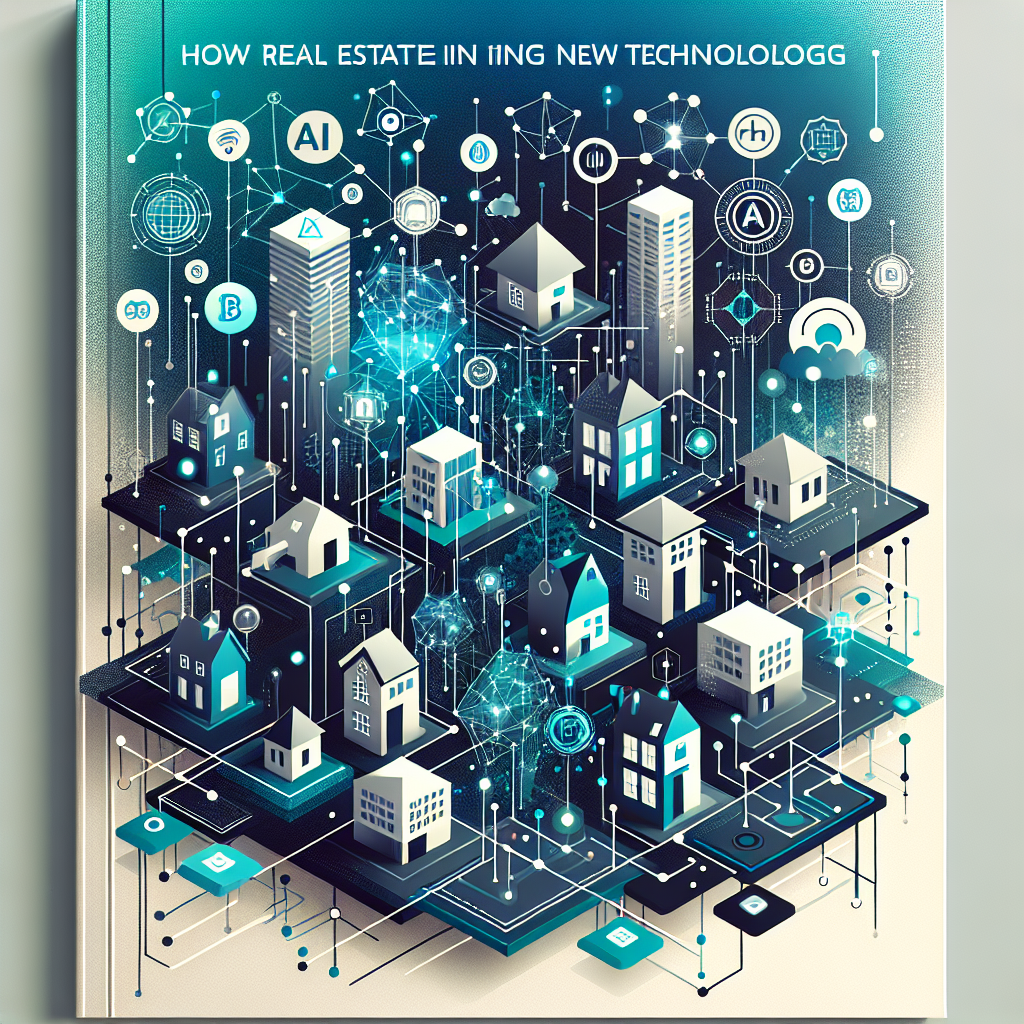
The real estate industry, historically reliant on traditional methods and interpersonal connections, is undergoing a transformative shift with the advent of new technology trends. From artificial intelligence (AI) and blockchain to virtual reality (VR), these innovations are reshaping how properties are bought, sold, and managed. This evolution brings new opportunities for growth and efficiency, creating a more dynamic and accessible market. Let’s explore some of the cutting-edge technologies redefining real estate and the real-world benefits they offer.
Artificial Intelligence: Enhancing Efficiency and Decision-Making
Artificial Intelligence (AI) has penetrated various industries, and real estate is no exception. From predictive analytics to automated customer service, AI is enhancing efficiency and streamlining processes across the board.
Predictive Analytics
AI-driven predictive analytics can analyze vast amounts of data to forecast market trends, property values, and buyer behaviors. This enables real estate professionals to make data-driven decisions and offer more accurate property valuations. For instance, AI can assess historical data, market conditions, and economic indicators to predict the best times to buy or sell properties. This level of insight helps agents develop more effective marketing strategies and close deals faster.
Virtual Assistants and Chatbots
AI-powered virtual assistants and chatbots are revolutionizing customer service in real estate. These tools provide instant, 24/7 support to potential buyers and sellers, answering inquiries, scheduling property viewings, and even guiding users through virtual tours. By automating routine tasks, real estate agents can focus on high-value activities, improving overall productivity and client satisfaction.
Blockchain: Ensuring Transparency and Security
Blockchain technology, the backbone of cryptocurrencies like Bitcoin, is making waves in real estate by enhancing transparency and security in transactions. This decentralized ledger system records all transactions across a network of computers, making it nearly impossible to alter or tamper with data.
Smart Contracts
One of the most significant applications of blockchain in real estate is smart contracts. These self-executing contracts automatically enforce terms when predefined conditions are met. Smart contracts reduce the need for intermediaries such as brokers and lawyers, streamlining the buying and selling process. This not only speeds up transactions but also reduces costs and minimizes the risk of fraud.
Secure Transactions and Titles
Blockchain can also transform property title management. Traditional title processes are often cumbersome and prone to errors. Blockchain’s immutable ledger ensures that all property records are transparent, accurate, and securely stored. This reduces the risk of title fraud and makes title transfers more efficient, ultimately providing peace of mind to both buyers and sellers.
Virtual Reality: Transforming Property Viewings
Virtual Reality (VR) is another game-changer in real estate, offering immersive property experiences without the need for physical presence. VR technology allows potential buyers to explore properties from the comfort of their homes, providing a realistic sense of space and design.
Virtual Tours
Virtual tours have become increasingly popular, especially during the COVID-19 pandemic. These tours enable buyers to navigate through properties interactively, examining every room and detail as though they were physically there. Real estate agents can host virtual open houses, reaching a broader audience and reducing the time and cost associated with traditional property viewings.
Virtual Staging
Staging a home can significantly impact its appeal and marketability. VR takes staging to a new level with virtual staging, where empty properties are digitally furnished to show their potential. This technology allows buyers to visualize different design options and layouts, making it easier for them to see themselves in the space. Additionally, virtual staging is cost-effective and time-efficient compared to physical staging.
The Future of Real Estate Technology
As technology continues to advance, its integration into the real estate industry will only deepen. Future trends may include advanced AI algorithms that provide even more precise market predictions, blockchain-based real estate investment platforms, and increasingly sophisticated VR experiences that make remote property transactions the norm.
For real estate professionals, embracing these technological advancements is not just an option but a necessity to stay competitive. By leveraging AI, blockchain, and VR, agents can enhance their services, provide more value to clients, and streamline their operations.
Conclusion
The evolution of real estate with new technology trends is creating a more efficient, transparent, and engaging marketplace. Artificial intelligence, blockchain, and virtual reality are at the forefront of this transformation, offering innovative solutions that benefit both industry professionals and clients. By staying informed and adapting to these changes, real estate agents can position themselves for success in an increasingly tech-driven world. The future of real estate is here, and it’s powered by technology.